
Our Investment Approach
The key to a successful investment plan is making sure it puts you in the best position to succeed, regardless of media hype and market fluctuations. We do not try to pick market “winners.” Rather, we draw upon Nobel Prize-winning research to design well-diversified portfolios that help you achieve returns in the long term.
Investment portfolios are only as strong as the investments they contain. As independent fiduciary advisors, we are not limited to off-the-shelf products. Instead, Highland Financial Advisors’ portfolios are built using a mix of low-cost, high-quality investments, including stocks, bonds, and private investments.
Take the First Step
If you're an Accredited Investor with more than $1,000,000 in assets under management, we invite you to schedule a free initial consultation with our team of Wealth Advisors.
This consultation will provide an in-depth review of your investment portfolio, allowing you to understand your current financial position better and identify potential financial planning opportunities to help you increase your odds of success in achieving your goals.

The headlines feel relentless right now. Two wars grind on overseas. Artificial intelligence promises to remake the economy, and it threatens to eliminate the job you have — some say it threatens more than that.
For decades, investing has been measured primarily by one question: What return can I expect? Today, many investors are asking a second question: What am I investing in?

Every two years, America holds another election. Every two years, headlines call it the most important of our lifetime. Investors have heard that before. Markets have lived through wars, recessions, inflation, and constant turnover in Washington. Over long periods, stock prices track earnings, innovation, productivity, and human ingenuity — not election results.
Twenty years ago, "Breaking News" meant something extraordinary had happened. Today, it means someone sneezed near a microphone. Every hour brings another flashing banner. Markets tumble. Experts speculate. Social media erupts. Before lunch, a new "breaking" story replaces the first one.

I'm heading to Portugal this summer, and like any good trip, the itinerary has a little bit of everything: a few days wandering through Lisbon's hills, a stretch on the Algarve coast, even a detour into the quaint fishing village of Cascais. No single stop makes the trip. The magic is in the mix. Investing works the same way, yet most people plan their portfolios like a one-city vacation—all in on the destination that's trending, and hoping it delivers.

Most successful people spend decades preparing financially for the next chapter of life. They build businesses. Advance their careers. Invest wisely. Save consistently. Accumulate wealth. Far fewer spend time preparing for the chapter itself.
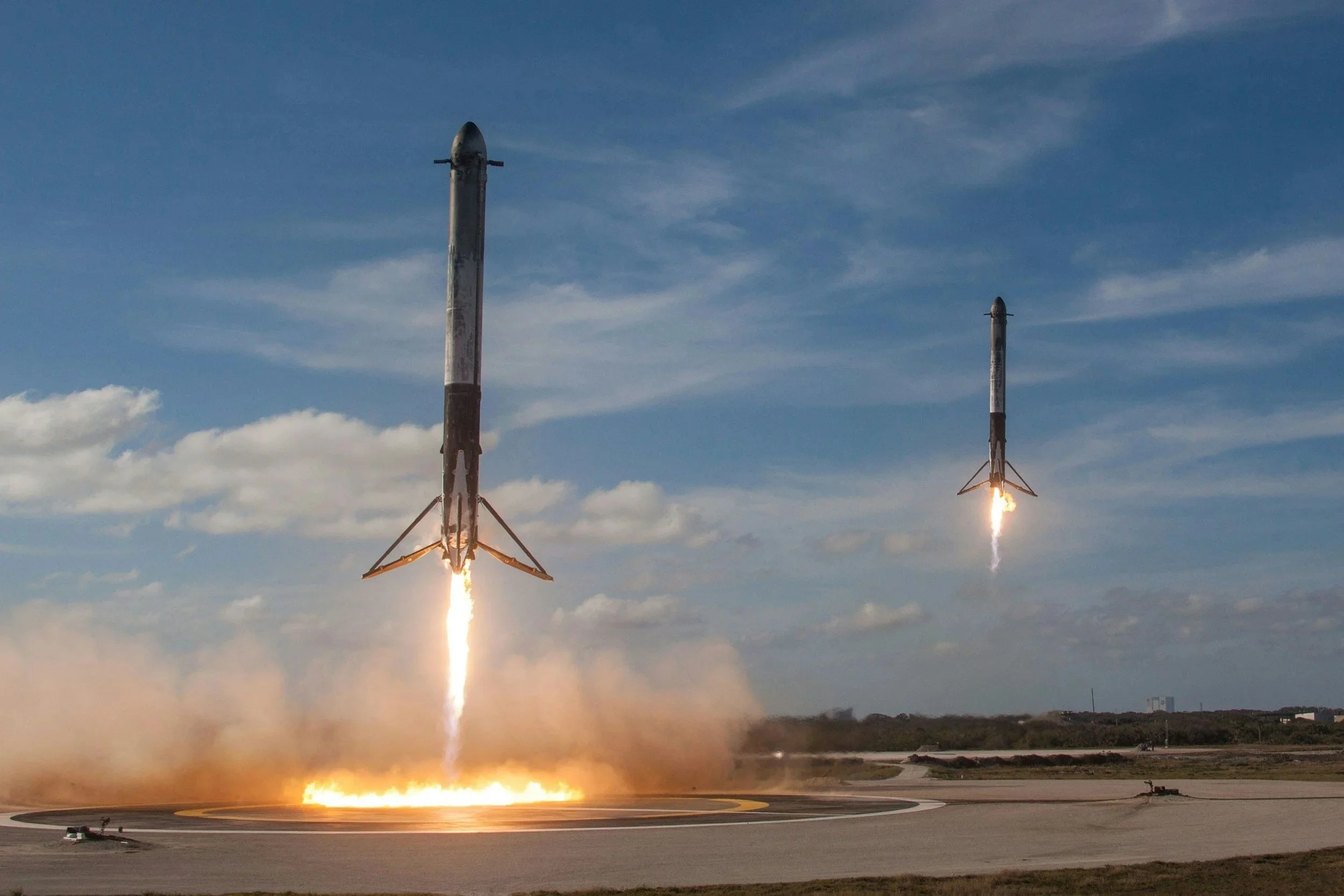
A client asked me last week if she should buy SpaceX stock when it goes public. Another asked about OpenAI. A third brought up Anthropic. All three used the same word: “miss out.”

Success often creates a challenge that few people anticipate. In fact, some of the biggest planning opportunities we encounter are not the result of poor decisions. They are the result of exceptionally good ones.

The weekend before Memorial Day, I headed to the beach to surf. Sitting out in the water waiting for waves, I realized something surprising: the traits needed to ride a wave successfully are remarkably similar to the traits needed to be a successful investor.

Most of my clients do not think much about currency markets. They think about their retirement, their kids' college, their business, and their taxes. Currency movements feel like something that happens in the background — abstract, global, vaguely relevant. And then a headline pops up warning about a "collapsing dollar" or a "surging greenback," and suddenly everyone wants to know what it means.

Why where you own the future may matter as much as what you own
Financial planning helps you develop a better decision architecture to improve your life. If asked what financial planning is, you may think of cash flow planning, retirement planning, insurance, and estate planning. Financial planning also involves the design and management of your investment portfolio — the tool most likely to help you achieve your goals. Because financial planning is all about building a better future for yourself, your investment portfolio should be structured with an eye toward the future.

Why a well-built portfolio is the only honest answer to the question everyone is asking right now.
I have been getting some version of the same question from clients for the past several weeks. It sounds something like this: “Reed, with everything going on — the war with Iran, oil prices spiking, inflation creeping back, AI wiping out jobs — how far is the stock market going to drop? Should I be doing something?”
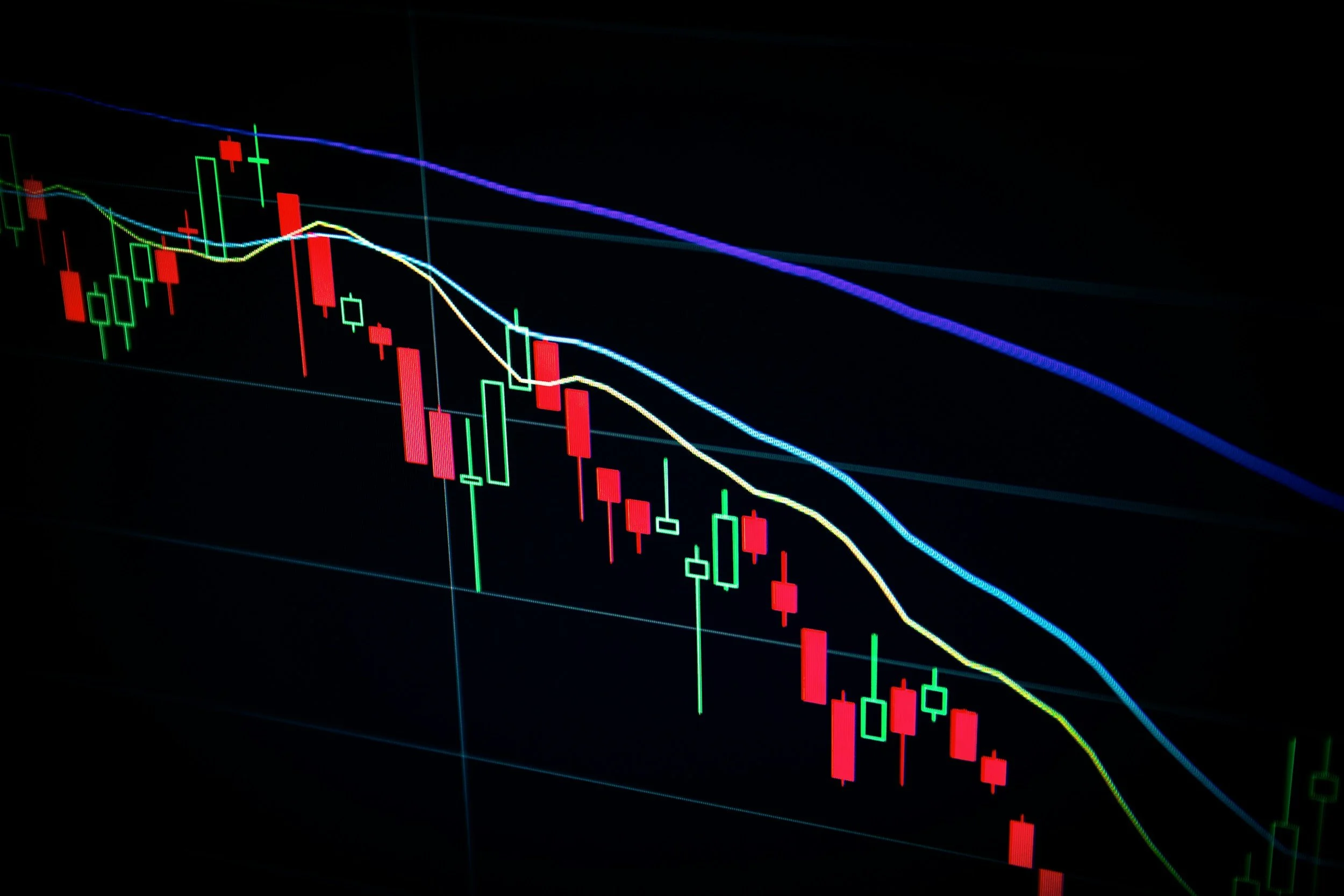
Every market cycle eventually raises the same uneasy question: are we overdue for a reset? I hear it often from clients right now, and honestly, I understand why. The S&P 500 is hovering near 6,950 — essentially flat year-to-date after a turbulent stretch — the VIX recently spiked above 21, and headlines have ranged from new global tariffs to uncertainty about the Federal Reserve's next chair.

The Federal Reserve remains front and center in financial headlines as policymakers continue navigating the delicate balance between controlling inflation and sustaining economic growth. The outcome of the Fed's most recent meeting, combined with expectations for rate decisions ahead and the potential leadership shift toward Kevin Warsh, provides important clues about what may lie ahead for borrowers and investors.
As we enter the new year, many of you have raised an important question: Where do we stand in the economic cycle?

If 2025 felt uncomfortable at times, you were not alone, and that discomfort is precisely why this year is worth reflecting on.
Early in the year, we all watched as markets reacted sharply to headlines surrounding tariffs, trade policy, and geopolitical uncertainty.

As we enter 2026, investors are once again surrounded by confident forecasts from financial and social media pundits. Inflation will fall or resurge. Economic growth will either reaccelerate or stall. Interest rates will be cut or remain higher for longer.

Understanding whether your investments are genuinely working for you requires more than just glancing at your account balance. Markets rise and fall, and your portfolio will naturally move with them. But how do you know if your investments are performing as well as they should be?

If your life has changed this year, it's worth reviewing your investment strategy to ensure it aligns with your current needs and goals. Markets shift, tax laws evolve, and your personal and financial situation may look very different from a year ago.

The start of a new year is the ideal time to reassess your investment strategy. Much like reviewing your fitness goals or updating your household budget, your portfolio deserves a thoughtful check-up. Changes in tax laws, market conditions, and personal circumstances can all impact whether your investments remain aligned with your goals.

Many investors begin the year with a carefully constructed portfolio that aligns with their goals and risk tolerance. However, as the year progresses, that portfolio may evolve into something different from what was initially intended. Markets move, sectors rotate, and performance varies across regions. Without realizing it, your portfolio may have “drifted”, leaving you with more risk than planned or less exposure to the areas that now offer opportunity.

As we enter the transformative period of 2025 and 2026, retirement planning strategies—especially Roth IRA conversions—deserve renewed attention. The recently enacted One Big Beautiful Bill Act of 2025 (OBBBA) has reshaped the U.S. tax landscape. While much of the new law extended or clarified existing provisions, the ripple effects on Roth conversions are significant.

We often think about the Industrial Revolution as a defining moment of economic progress—a time when investment in factories, railways, and power transformed daily life and lifted entire economies.

I’ve been asked numerous times throughout my career about the importance of diversification in a portfolio. After all, why not just buy the “hottest stocks” or the hottest sector, as evidenced most recently by the “Magnificent 7” (Google, Amazon, Apple, Meta, Microsoft, Nvidia, and Tesla)? This portfolio would have had a 1,3-, and 5-year annualized return of 20.9%, 46.22% and 37.98%, respectively.

As we cross the halfway mark of 2025, the coming months present a crucial window for strategic financial decisions. While many focus on summer plans, forward-thinking investors are laying the groundwork for sustained growth. Here are five key investment areas we consistently address with HIGHLAND clients.
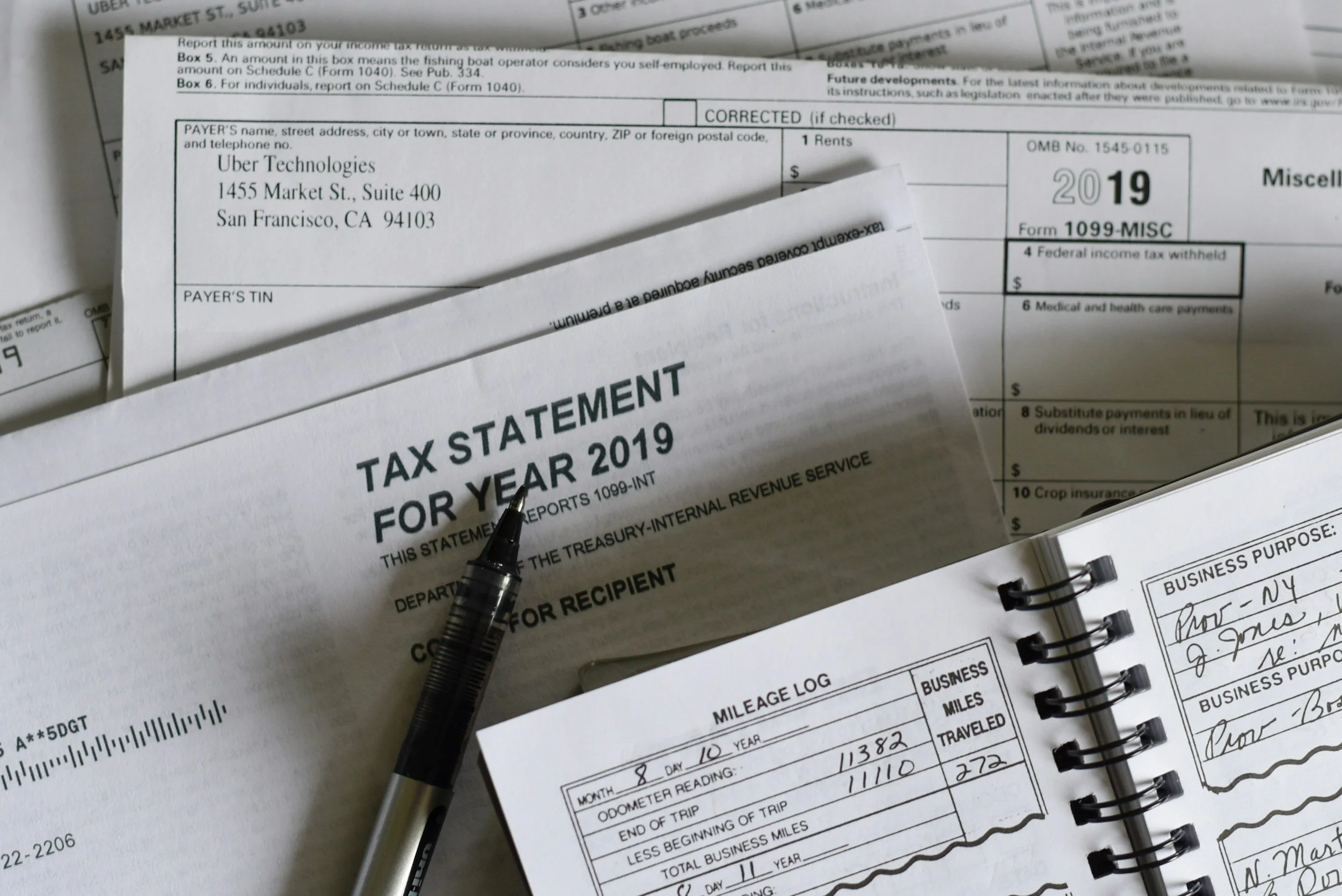
As a financial advisor, I often remind clients that investment returns are only part of the story—the after-tax returns are what truly matter. Without careful planning, taxes can erode your gains year after year. Fortunately, there are several strategies you can use to reduce your tax liability and grow your wealth more efficiently.

Have you ever tried eating raw flour? What about a spoonful of baking powder or a stick of butter? Each one on its own doesn't taste great—but mix them, bake them, and you've got cake. I would say that's an enjoyable experience for someone who likes cake.

For high-net-worth families, investing wisely is only part of the equation. Preserving wealth through tax efficiency is just as critical. Tax planning can dramatically affect long-term returns, especially when compounded over decades. Here are five strategies to help ensure your investments are working as hard after taxes as they are before.

May is a great time to step back and take stock of your personal finances. The rhythm of tax season is behind you, and there's still plenty of time left in the year to make strategic adjustments. Whether working toward long-term goals or simply staying organized, a thoughtful financial check-in can help ensure you're on track and making the most of your resources.

“The best way to predict the future is to create it.” — Peter Drucker. That quote captures precisely how we should approach financial planning and life. When we take a proactive, hopeful approach, we give ourselves the ability to shape our future rather than just brace for it.