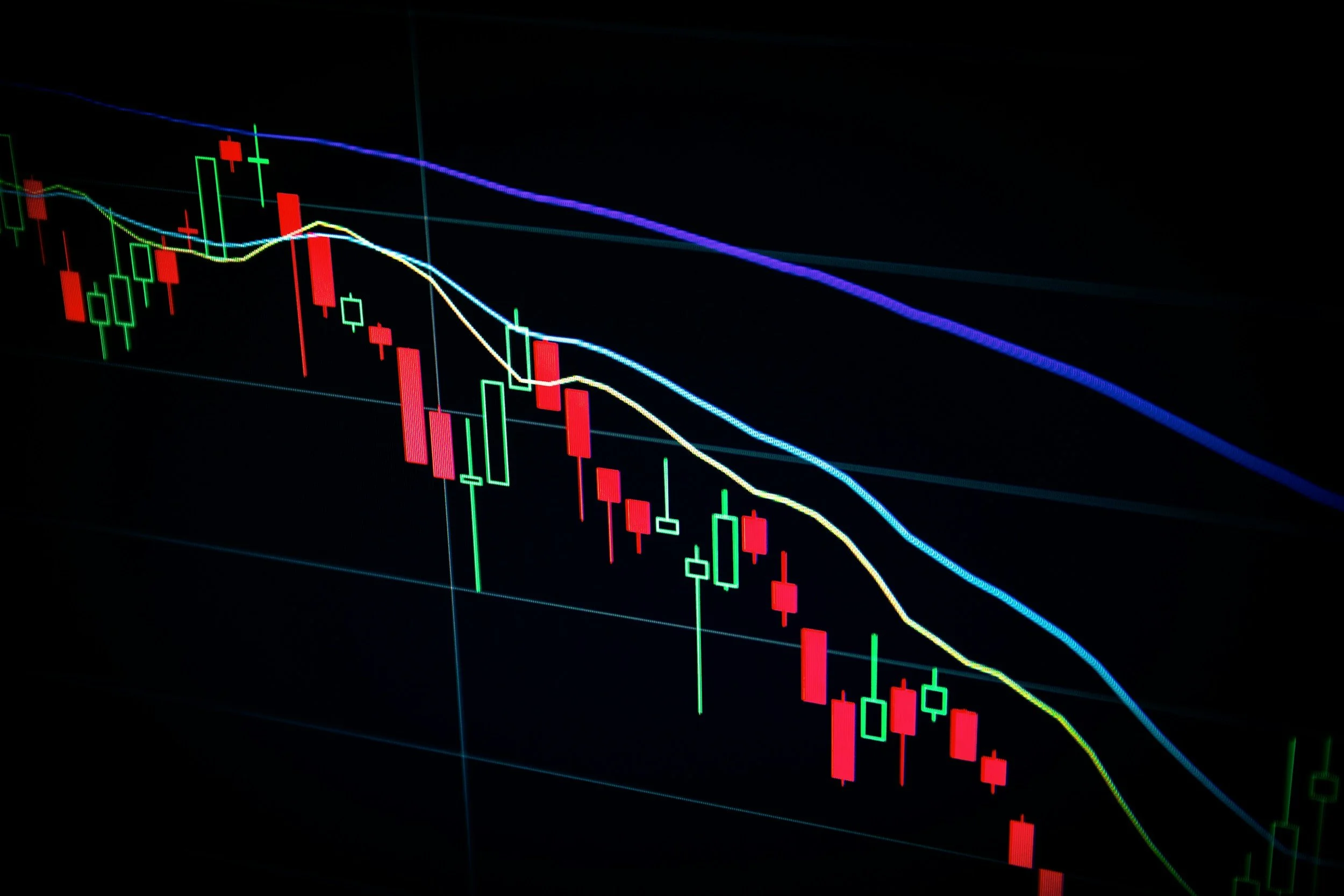
The headlines feel relentless right now. Two wars grind on overseas. Artificial intelligence promises to remake the economy, and it threatens to eliminate the job you have — some say it threatens more than that.

As we close out the third quarter of the year, it's a natural time to pause and take stock of your progress toward your financial goals. By this point in the year, nine months of progress, challenges, and decisions have shaped where you stand today. With three months ahead, there's time to fine-tune your approach, close gaps, and position yourself to finish the year strong.
As we approach the year's final quarter, it’s the perfect time for a retirement plan check-up. Even if you set your 401(k) contributions months ago, life has a way of shifting the numbers — salary increases, bonuses, or payroll changes can all affect how much you are actually putting away.
As we embark on a new year, there's no better time to take control of your financial future by thoroughly reviewing your cash flow. If having a vision and establishing goals is the touchstone for a financial plan, this essential financial practice sets the foundation for achieving your goals and ensuring long-term financial stability.
Anyone who has gone through a divorce knows how emotionally challenging and financially complex it can be. While attorneys handle the legal aspects, a Certified Divorce Financial Analyst® focuses specifically on the financial implications of divorce. This specialized designation equips professionals with the expertise to guide clients through the intricate financial aspects of divorce proceedings, ensuring better outcomes for their financial future.
Anna Marie Mock, a fee-only certified financial planner at Highland Financial Advisors, discusses the dynamic interplay between art and science in financial planning. Drawing inspiration from Leonardo da Vinci's philosophy that "everything connects to everything else," she emphasizes that financial planning is an art involving subjective goal-setting and a science-driven by objective analysis tools. In this video, Anna explains how the scientific method can be applied to financial planning, using equity compensation as a concrete example.
Every two years, America holds another election. Every two years, headlines call it the most important of our lifetime. Investors have heard that before. Markets have lived through wars, recessions, inflation, and constant turnover in Washington. Over long periods, stock prices track earnings, innovation, productivity, and human ingenuity — not election results.
Most of my clients do not think much about currency markets. They think about their retirement, their kids' college, their business, and their taxes. Currency movements feel like something that happens in the background — abstract, global, vaguely relevant. And then a headline pops up warning about a "collapsing dollar" or a "surging greenback," and suddenly everyone wants to know what it means.
Why where you own the future may matter as much as what you own
Financial planning helps you develop a better decision architecture to improve your life. If asked what financial planning is, you may think of cash flow planning, retirement planning, insurance, and estate planning. Financial planning also involves the design and management of your investment portfolio — the tool most likely to help you achieve your goals. Because financial planning is all about building a better future for yourself, your investment portfolio should be structured with an eye toward the future.
Why a well-built portfolio is the only honest answer to the question everyone is asking right now.
I have been getting some version of the same question from clients for the past several weeks. It sounds something like this: “Reed, with everything going on — the war with Iran, oil prices spiking, inflation creeping back, AI wiping out jobs — how far is the stock market going to drop? Should I be doing something?”
Turn on financial news on any given day, and you're likely to hear words like "plunge," "surge," or "turmoil." Markets move — sometimes dramatically — and those movements can trigger a visceral emotional response, even for the most disciplined investors. But here's what decades of financial history consistently show: short-term volatility is not your enemy. In fact, it's an unavoidable feature of building long-term wealth.
Every market cycle eventually raises the same uneasy question: are we overdue for a reset? I hear it often from clients right now, and honestly, I understand why. The S&P 500 is hovering near 6,950 — essentially flat year-to-date after a turbulent stretch — the VIX recently spiked above 21, and headlines have ranged from new global tariffs to uncertainty about the Federal Reserve's next chair.
Many investors begin the year with a carefully constructed portfolio that aligns with their goals and risk tolerance. However, as the year progresses, that portfolio may evolve into something different from what was initially intended. Markets move, sectors rotate, and performance varies across regions. Without realizing it, your portfolio may have “drifted”, leaving you with more risk than planned or less exposure to the areas that now offer opportunity.
As fiduciary financial advisors, we strive to remain objective and apolitical in our advice. Political bias can lead investors to make poor decisions, and our role is to offer clear guidance grounded in facts. With that in mind, we offer a measured explanation of the market’s response to President Trump’s newly implemented tariffs.
As a financial advisor, I often hear clients express concern over the Federal Reserve's interest rate decisions and how these might impact their long-term investments. While it's natural to be attentive to such economic indicators, focusing solely on interest rate changes when planning your long-term investment strategy can be a misstep. Here’s why it’s important to maintain a broader perspective.
It's January 1, 2018, and you just won the lottery for $5,000,000.
You are sitting in our office, discussing your plans for the money, and you decide it's a good idea to invest the proceeds for the long term.
You decide on a portfolio of 25% US Bonds, 60% US Stocks, and 15% International Stocks.
After feeling pretty good about your lottery winnings and the investment decisions you made, you leave our office and treat yourself to a meal.