
Take the First Step
Our goal is to help you sleep well at night, knowing you have clarity about your options and confidence in your financial direction. To achieve this, click the link below to be redirected to our contact page, where you can schedule a 15-minute call with one of our advisors. We’ll ask some quick questions about you to see if we make a good fit and offer ways we can help.

If you’ve ever tried to figure out the “best” way to get healthy, you know how overwhelming it can become.
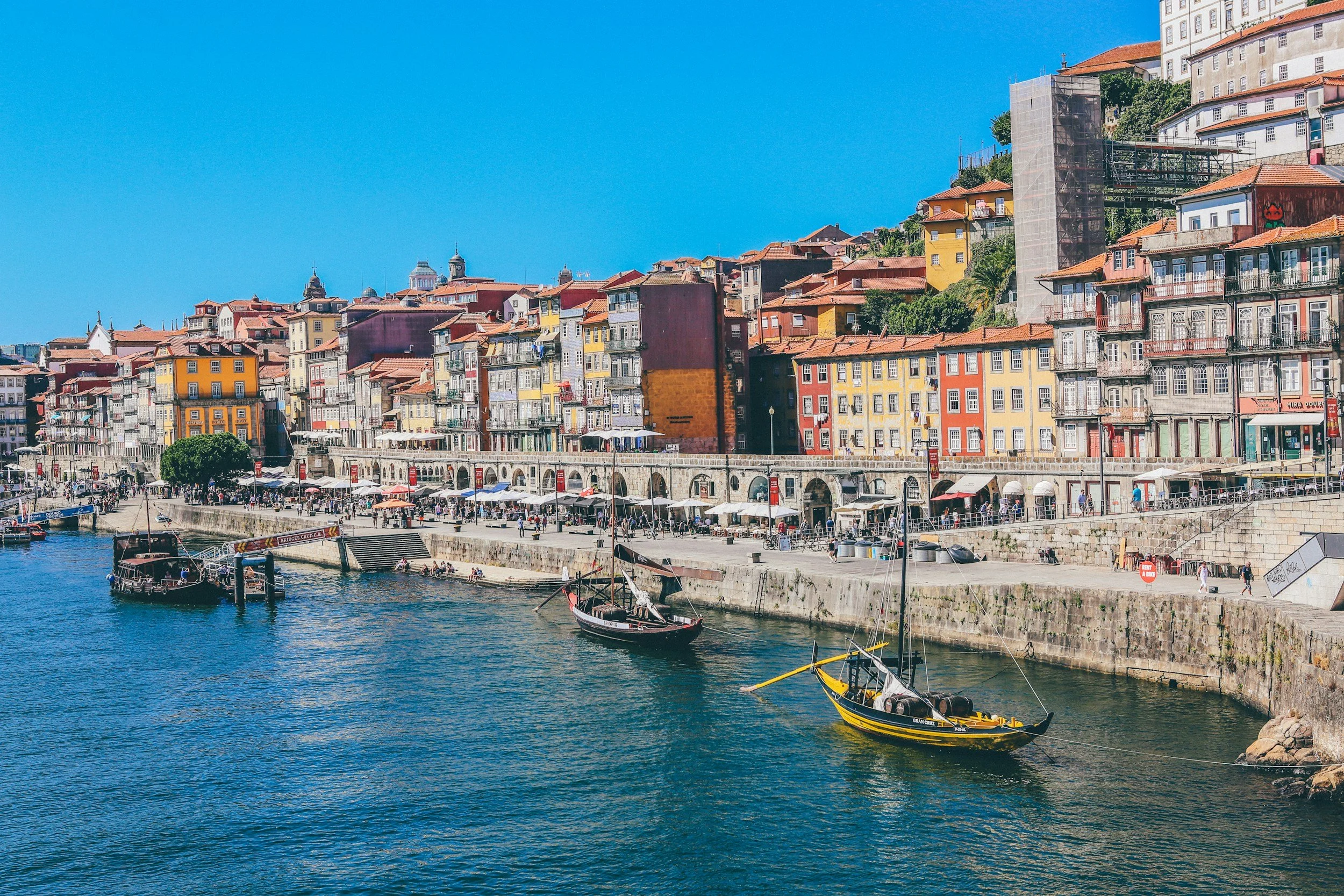
When I think about my sabbatical, one word comes to mind: home. As I prepared to take time away from my role as an Operations Associate at HFA, I knew exactly where I wanted to go.

At HIGHLAND Financial Advisors, we spend much of our time helping clients think about the future, including what they want to accomplish, what matters most to them, and how their financial resources can support the life they want to build.

The headlines feel relentless right now. Two wars grind on overseas. Artificial intelligence promises to remake the economy, and it threatens to eliminate the job you have — some say it threatens more than that.

New Jersey property taxes remain among the largest expenses facing homeowners and retirees. The good news is that the State currently offers three major programs designed to offset that cost: ANCHOR, Senior Freeze, and Stay NJ.

Most retirement planning conversations revolve around numbers: how much you've saved, what your withdrawal rate should be, when to claim Social Security, and how to minimize taxes on your distributions. These are essential questions, and getting them right matters enormously. But there's a question that deserves just as much attention and gets far less of it: once the paycheck stops and the calendar clears, what will you actually do with your time, your talents, and your money?

For many people, retirement begins with the same question: “Do I have enough?”
But after working with many clients transitioning into retirement, we often see a different challenge emerge: they end up spending less than they expected, and leave behind far more than they ever imagined.

Taking ownership sounds simple, but it often proves more difficult in practice. It is noticing what needs to be done and following through without waiting to be asked. Over time, those everyday choices become habits, and those habits help shape a team's culture.

For decades, investing has been measured primarily by one question: What return can I expect? Today, many investors are asking a second question: What am I investing in?

In July, I had the opportunity to participate in an NJBIZ panel discussion focused on family-owned businesses. During the discussion, I shared an analogy that has become one of the simplest ways I explain how I think about planning because I believe it applies well beyond business owners.

Every two years, America holds another election. Every two years, headlines call it the most important of our lifetime. Investors have heard that before. Markets have lived through wars, recessions, inflation, and constant turnover in Washington. Over long periods, stock prices track earnings, innovation, productivity, and human ingenuity — not election results.

Twenty years ago, "Breaking News" meant something extraordinary had happened. Today, it means someone sneezed near a microphone. Every hour brings another flashing banner. Markets tumble. Experts speculate. Social media erupts. Before lunch, a new "breaking" story replaces the first one.

I'm heading to Portugal this summer, and like any good trip, the itinerary has a little bit of everything: a few days wandering through Lisbon's hills, a stretch on the Algarve coast, even a detour into the quaint fishing village of Cascais. No single stop makes the trip. The magic is in the mix. Investing works the same way, yet most people plan their portfolios like a one-city vacation—all in on the destination that's trending, and hoping it delivers.

When markets fall, most investors see losses. Some savvy investors see the opportunity to buy equities at depressed prices. Our planning team often sees another opportunity: a temporary sale on future tax-free growth.

Most successful people spend decades preparing financially for the next chapter of life. They build businesses. Advance their careers. Invest wisely. Save consistently. Accumulate wealth. Far fewer spend time preparing for the chapter itself.

Summer has a way of encouraging reflection. The pace changes, families gather, vacations appear on the calendar, and many of us pause long enough to appreciate the people and experiences that make the year meaningful. At HIGHLAND Financial Advisors, summer also gives us an opportunity to celebrate something central to our firm: the strength of our team.

Growing up, I always had a natural tendency to save money. Every birthday and Christmas gift went into my piggy bank and, as I got older, into a savings account. When I turned 18, my dad introduced me to investing, and I was instantly hooked. I started reading every investment book I could get my hands on, and any money I earned from part-time jobs during college went straight into my investment account.

A client asked me last week if she should buy SpaceX stock when it goes public. Another asked about OpenAI. A third brought up Anthropic. All three used the same word: “miss out.”

Success often creates a challenge that few people anticipate. In fact, some of the biggest planning opportunities we encounter are not the result of poor decisions. They are the result of exceptionally good ones.

The weekend before Memorial Day, I headed to the beach to surf. Sitting out in the water waiting for waves, I realized something surprising: the traits needed to ride a wave successfully are remarkably similar to the traits needed to be a successful investor.

A raise. A bonus. A successful business sale. A larger investment account. A fresh start after a major life transition.
Moments like these should create opportunity and freedom. But they can also quietly lead to one of the biggest threats to long-term financial independence: lifestyle inflation.

Most of my clients do not think much about currency markets. They think about their retirement, their kids' college, their business, and their taxes. Currency movements feel like something that happens in the background — abstract, global, vaguely relevant. And then a headline pops up warning about a "collapsing dollar" or a "surging greenback," and suddenly everyone wants to know what it means.
For many parents, figuring out how to save for college can feel overwhelming because the target keeps moving. College tuition continues to rise, financial aid rules seem to change yearly, and families are often unsure whether to prioritize retirement, college savings, or both. Add in student loans, FAFSA deadlines, scholarships, and decisions around how much to contribute, and it’s easy to feel stuck.
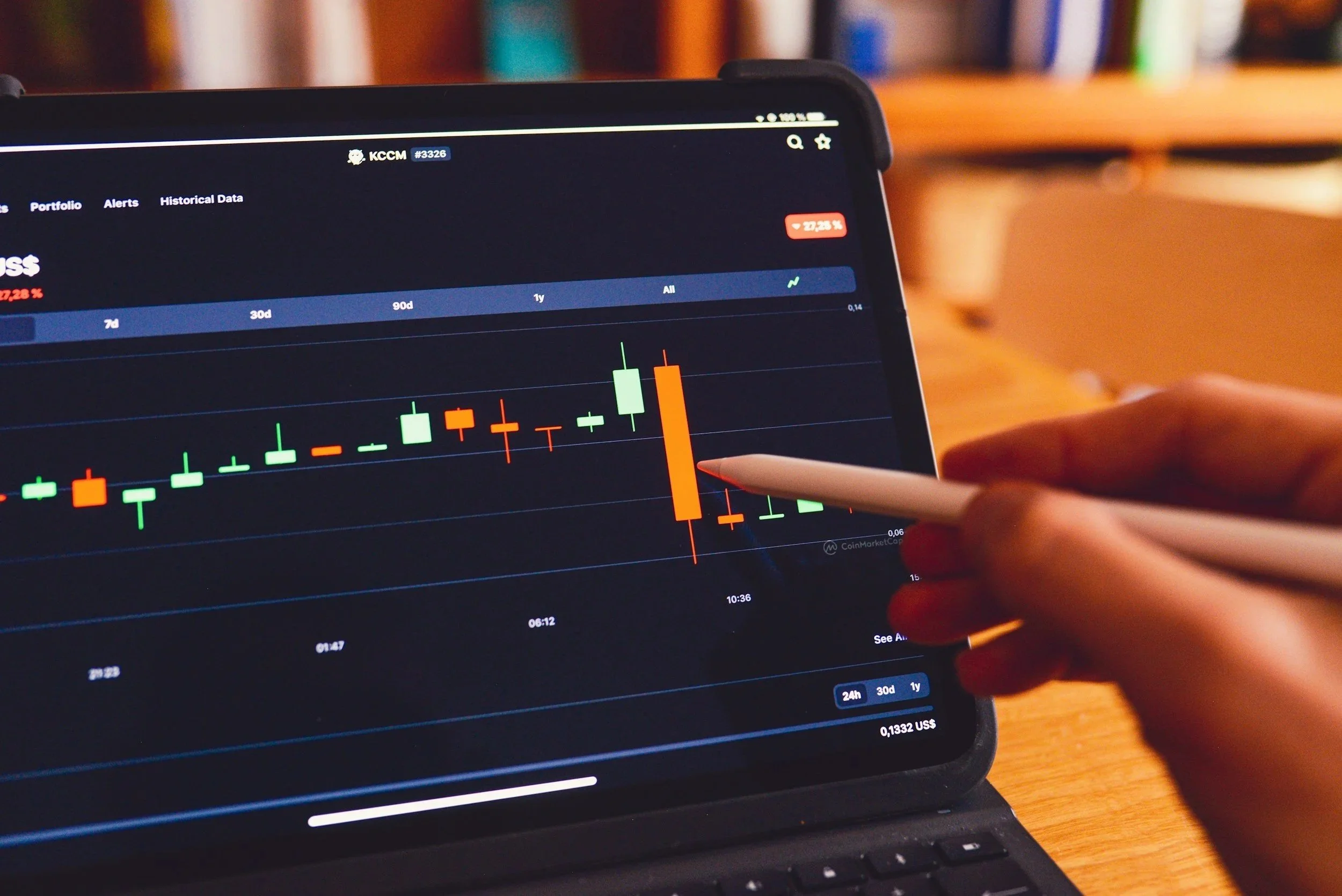
Every investor has felt it — that stomach-drop sensation when the market tumbles 3% in a single afternoon, or when headlines scream about economic uncertainty and your portfolio balance looks nothing like it did last week.

Every spring, we throw open the windows, drag out the mop, and tackle the clutter that's been quietly piling up since January. But while you're scrubbing baseboards and donating old sweaters, your finances might be sitting in the corner: dusty, disorganized, and in need of attention.
So, where do you begin?

Why where you own the future may matter as much as what you own
Financial planning helps you develop a better decision architecture to improve your life. If asked what financial planning is, you may think of cash flow planning, retirement planning, insurance, and estate planning. Financial planning also involves the design and management of your investment portfolio — the tool most likely to help you achieve your goals. Because financial planning is all about building a better future for yourself, your investment portfolio should be structured with an eye toward the future.

For many people, taxes show up once a year and are often accompanied by frustration and a scramble to gather documents. Then, just as quickly, they disappear until next April.
Considering taxes once a year represents one critical issue - by the time you’re filing your tax return, most of the important decisions have already been made. If you’re only thinking about taxes during filing season, you’re not managing taxes - you’re reporting history. A more effective approach is to treat taxes as a year-round strategy that integrates with your broader financial plan.

Why a well-built portfolio is the only honest answer to the question everyone is asking right now.
I have been getting some version of the same question from clients for the past several weeks. It sounds something like this: “Reed, with everything going on — the war with Iran, oil prices spiking, inflation creeping back, AI wiping out jobs — how far is the stock market going to drop? Should I be doing something?”

At Highland Financial Advisors, we believe that genuine financial planning goes beyond portfolios and performance reports; it’s about building a life of purpose, stability, and long-term opportunity. That philosophy extends beyond our client relationships and into the communities we serve. One of the most meaningful ways we live out that commitment is through our ongoing partnership with Passaic County Habitat for Humanity in northern New Jersey.

As a financial advisor, I often speak with clients about building wealth, planning for retirement, and managing investments. But one question I get almost as often is: “How do I prepare my kids to handle money responsibly?” Teaching children about money is one of the most valuable gifts you can give them. The lessons you start early don’t just shape their habits—they shape their confidence and independence.